
11/18/2024
Yoga and mindfulness for kids
Helping children build calm and focus through playful practice.
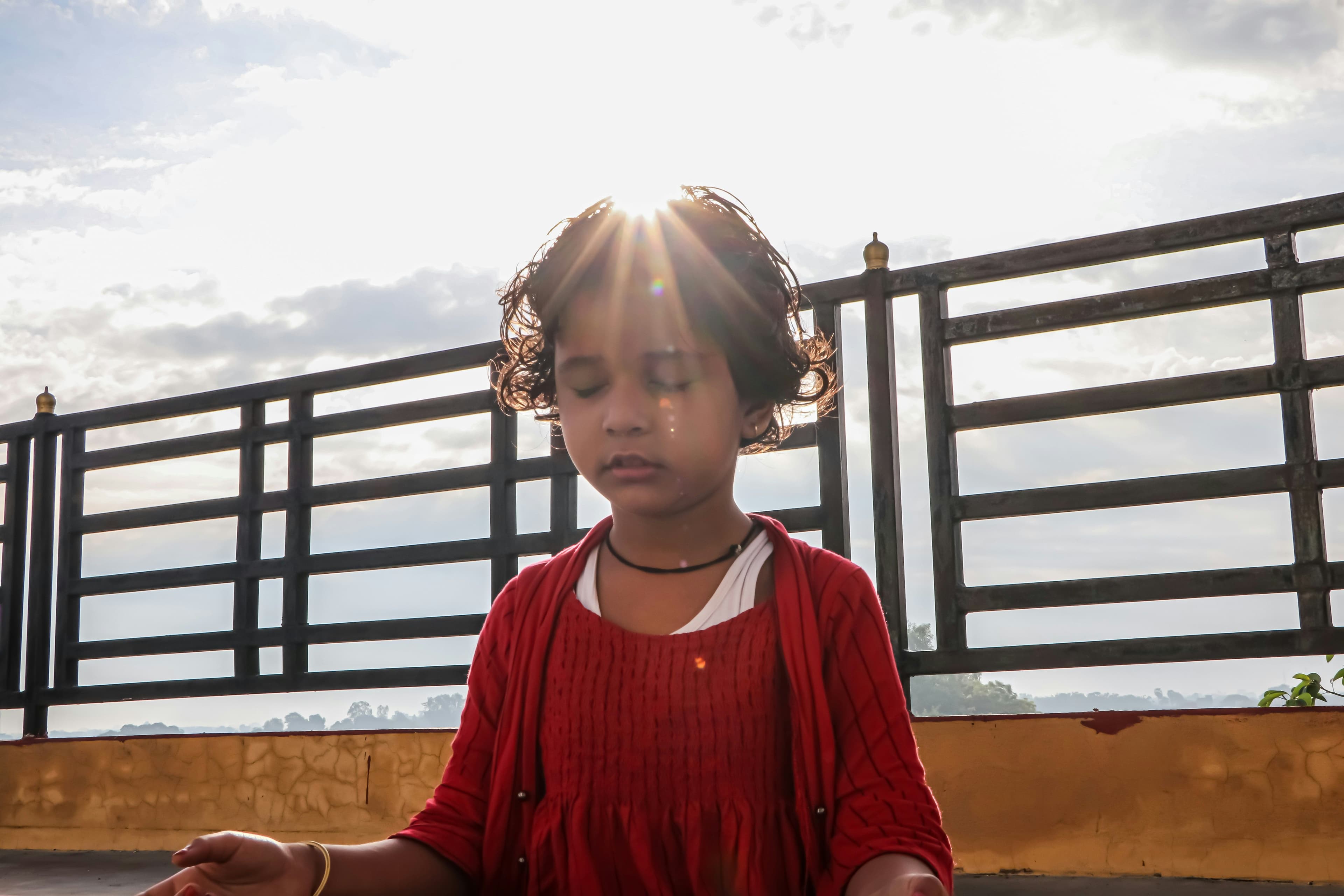
In our fast-paced, screen-dominated world, children face unprecedented levels of stress and distraction. Between academic pressures, social media, busy schedules, and constant stimulation, many children struggle with anxiety, difficulty focusing, and emotional regulation. This is where yoga and mindfulness can make a profound difference.
Why Yoga for Children?
Children are natural yogis—they're spontaneous, playful, and live in the present moment. However, as they grow, external pressures can disconnect them from this innate ability to be present and joyful. Yoga and mindfulness practices help children reconnect with themselves while building essential life skills.
Benefits for Children
Research has shown that regular yoga practice can help children:
- Improve concentration and attention span
- Build physical strength, flexibility, and coordination
- Develop better self-regulation and emotional management
- Increase self-esteem and body awareness
- Reduce anxiety and stress
- Improve sleep quality
- Enhance social skills and empathy
How Children's Yoga Differs from Adult Practice
Teaching yoga to children requires a completely different approach from adult classes. Children learn through play, imagination, and exploration—not through long holds and silent meditation.
Key Differences
Shorter Duration: Children's classes are typically 30-45 minutes, with activities changing every few minutes to maintain engagement.
Playful Approach: Poses are often renamed to spark imagination—Downward Dog becomes "puppy pose," Tree Pose involves pretending to be a mighty oak in the forest.
Movement-Focused: Children need to move! Classes include more dynamic sequences, games, and partner activities rather than long static holds.
Story Integration: Many children's classes weave poses into stories or adventures, making the practice more engaging and memorable.
Simplified Poses: While children are naturally flexible, their bones are still developing. Poses are adapted to be safe and age-appropriate.
Age-Appropriate Practices
Toddlers (2-4 years)
At this age, classes are very short (15-20 minutes) and extremely playful. Simple animal poses, songs, and movement games work best. The goal is to plant seeds of body awareness and introduce the concept of mindful movement through pure fun.
Activities to try:
- Animal walks (bear walk, flamingo balance, bunny hops)
- Simple breathing games (blowing out birthday candles, smelling flowers)
- Freeze dance with yoga poses
- Storytime yoga adventures
Young Children (5-8 years)
This age group can engage in structured classes for 30-40 minutes. They enjoy stories, imagination-based sequences, and partner poses. Simple breathing exercises and short moments of stillness become possible.
Activities to try:
- Sun Salutation variations with creative names
- Yoga pose cards or dice games
- Partner poses and trust exercises
- Nature-themed sequences (seasons, weather, animals)
- Simple guided relaxation (2-3 minutes)
Older Children (9-12 years)
Pre-teens can participate in 45-60 minute classes and enjoy more challenging poses. They're ready for deeper conversations about feelings, stress, and the benefits of practice. Simple meditation becomes more accessible.
Activities to try:
- Stronger pose sequences building heat and strength
- Balance challenges and arm balances
- Breath awareness and simple pranayama
- Guided meditation (5-10 minutes)
- Journaling or discussion about feelings and experiences
Bringing Mindfulness to Children
Mindfulness—the practice of paying attention to the present moment without judgment—is incredibly valuable for children but requires creative introduction.
Practical Mindfulness Activities
Mindful Breathing (The Balloon Belly):
Have children lie down and place a small stuffed animal on their belly. As they breathe in, they watch the animal rise; as they breathe out, it falls. This makes the abstract concept of breathing concrete and engaging.
Five Senses Exercise:
Guide children to notice five things they can see, four they can hear, three they can touch, two they can smell, and one they can taste. This grounds them in the present moment and helps calm anxious minds.
Glitter Jar Meditation:
Create a jar filled with water, glue, and glitter. Shake it up and explain that the swirling glitter represents busy thoughts and feelings. As children watch the glitter slowly settle, they can experience their own minds calming down.
Mindful Listening:
Ring a bell or singing bowl and ask children to raise their hand when they can no longer hear the sound. This teaches focused attention and helps them discover the space between sounds.
Body Scan Adventure:
Turn the traditional body scan into a journey through the body, perhaps imagining a tiny explorer travelling from toes to head, checking that everything is working well.
Creating a Home Practice
You don't need special equipment or extensive training to introduce yoga and mindfulness to children at home.
Tips for Success at Home
Keep It Short: Start with just 5-10 minutes. Consistency matters more than duration.
Make It Fun: Use music, props, and games. If children aren't enjoying it, they won't engage.
Practice Together: Children learn by watching. Your participation shows them that yoga is valuable and enjoyable.
Don't Force It: Some days children will be receptive; other days they won't. Respect their feelings and try again another time.
Create a Special Space: Even a small corner with a mat and a few props can become a dedicated "calm corner" for practice.
Use Resources: YouTube has excellent free children's yoga videos. Cosmic Kids Yoga is particularly popular and engaging.
Addressing Specific Challenges
For Anxious Children
Focus on grounding poses (like child's pose and legs up the wall), calming breathing exercises, and longer periods of relaxation. Teach them these tools to use when feeling overwhelmed.
For Hyperactive Children
Include lots of dynamic movement and strength-building poses. Rather than forcing stillness, channel their energy productively. They may need shorter practice sessions with more variety.
For Children with Attention Difficulties
Use highly engaging, game-based approaches with frequent transitions. Partner poses and interactive games work well. Keep verbal instructions simple and clear.
For Children Dealing with Trauma
Trauma-informed yoga emphasises choice, empowerment, and safety. Never force poses or insist on closed eyes during relaxation. Allow children to opt out and always give them control over their own bodies.
Building Social-Emotional Skills
Beyond physical benefits, yoga and mindfulness help children develop crucial social-emotional competencies.
Emotional Regulation: Through breathwork and mindful awareness, children learn to notice their emotions without being overwhelmed by them. They develop the ability to pause before reacting.
Self-Compassion: Yoga teaches that there's no perfect pose, no competition, and no failure—just practice. This mindset helps children be kinder to themselves.
Empathy and Connection: Partner poses and group activities help children tune into others' experiences and work collaboratively.
Resilience: Learning to hold challenging poses teaches persistence. Coming back to the mat regularly teaches that improvement comes with consistent effort.
Starting a Practice
If you're interested in introducing yoga and mindfulness to the children in your life:
1. For Parents: Look for local children's yoga classes or online resources. Many yoga studios now offer family yoga classes where adults and children practice together.
2. For Teachers: Consider incorporating short yoga breaks or mindfulness moments into your classroom routine. Even 2-3 minutes of breathing exercises or stretching can help students refocus.
3. For Yoga Instructors: If you teach adult yoga, consider completing a children's yoga teacher training to learn age-appropriate approaches and safety considerations.
The skills children learn through yoga and mindfulness—focus, self-regulation, resilience, and compassion—will serve them throughout their lives. By planting these seeds early, we give children invaluable tools for navigating whatever challenges lie ahead.
Remember, the goal isn't to create perfectly still, silent children (that would be rather unnatural!). The goal is to help them develop awareness of their bodies, minds, and emotions while having fun and building confidence. When approached with playfulness and patience, yoga and mindfulness become gifts that keep giving throughout childhood and beyond.