
11/25/2024
Exploring the different styles of Yoga
Find the approach that matches your body and goals.
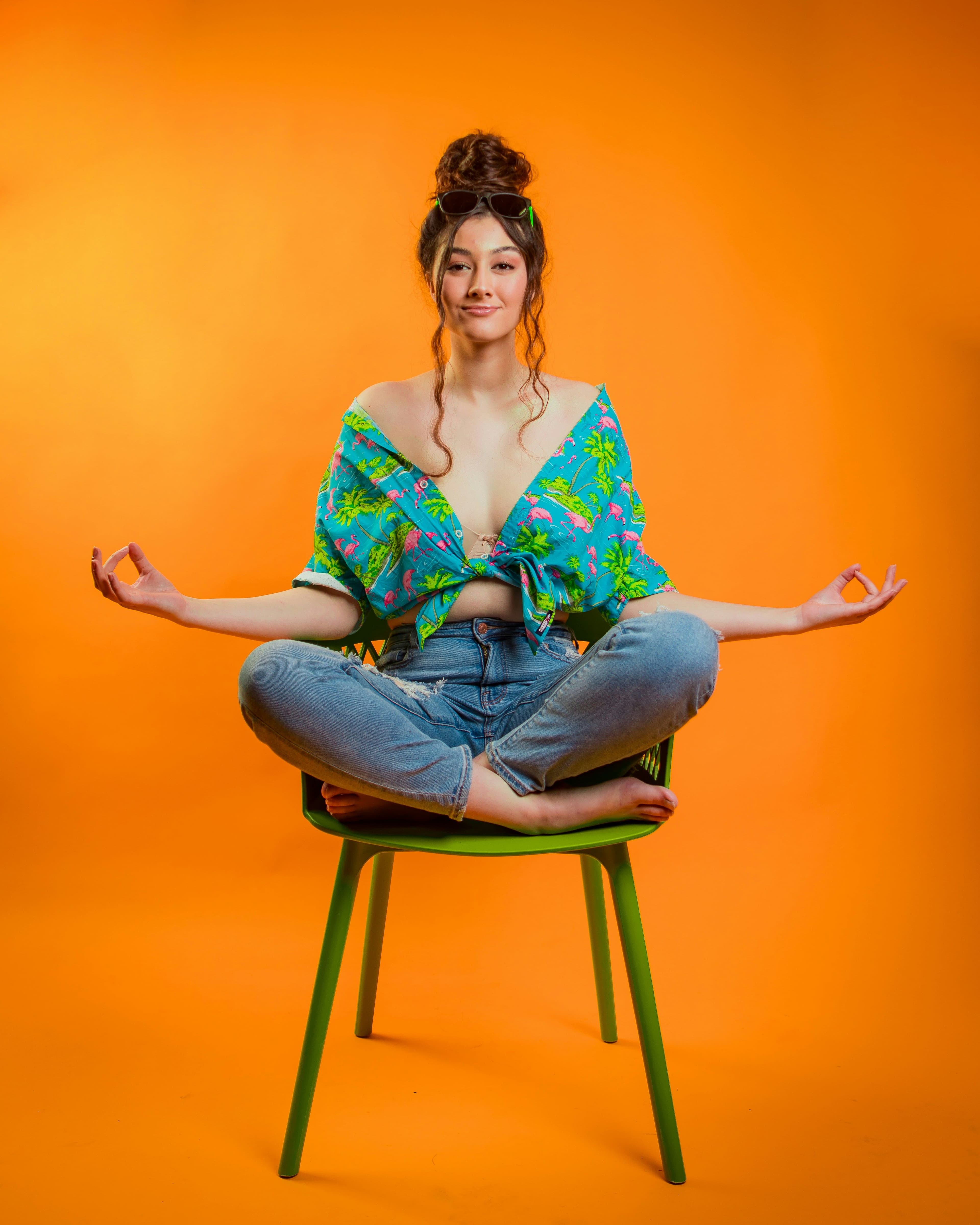
Yoga isn't one-size-fits-all. With roots stretching back thousands of years in India, yoga has evolved into numerous distinct styles and approaches, each offering unique benefits and experiences. Whether you're seeking strength, flexibility, stress relief, or spiritual growth, there's a yoga style that aligns with your needs and goals.
Understanding the Main Styles
Hatha Yoga: The Foundation
When most people think of yoga, they're thinking of Hatha. The term "Hatha" actually encompasses many physical yoga styles, but in Western contexts, it typically refers to a slower-paced, gentle practice focusing on basic poses held for several breaths.
Best for: Complete beginners, those recovering from injury, anyone seeking a gentle introduction to yoga.
What to expect: Classes move at a comfortable pace with detailed instruction on alignment and breathing. You'll learn fundamental poses that form the foundation of more advanced practices.
Vinyasa Yoga: The Flow
Vinyasa, sometimes called "flow yoga," links breath with movement in a dynamic, fluid sequence. Unlike Hatha's static holds, Vinyasa keeps you moving, often synchronising one breath with one movement.
Best for: Those who enjoy variety, people seeking a cardio element, students who prefer movement to stillness.
What to expect: Each class can be quite different. You'll build heat through continuous movement, transitioning smoothly from one pose to another. Sun Salutations often form the foundation, with creative sequences building from there.
Ashtanga Yoga: The Discipline
Ashtanga is a rigorous style that follows a specific sequence of poses in the same order every time. This traditional approach was popularised by K. Pattabhi Jois and is known for its physically demanding nature.
Best for: Those who thrive on structure, athletes, experienced practitioners seeking a challenge.
What to expect: Fast-paced, physically intense practice. You'll repeat the same sequence each class, allowing you to track your progress over time. The emphasis is on building heat and purifying the body through movement and breath.
Yin Yoga: The Stillness
In contrast to more dynamic styles, Yin Yoga involves holding passive poses for extended periods—typically 3-5 minutes or longer. This slower practice targets the deep connective tissues, fascia, and joints rather than the muscles.
Best for: Those seeking deep stretching, busy individuals needing to slow down, anyone working on flexibility or recovering from injury.
What to expect: Poses are held for several minutes, often seated or lying down. You'll use props like bolsters and blocks to support your body. While physically gentle, Yin can be mentally challenging as you sit with discomfort and learn to relax into it.
Restorative Yoga: The Healing
Restorative yoga is all about relaxation and healing. Using an abundance of props, this practice supports your body in passive poses, allowing for deep rest and recovery.
Best for: Those dealing with stress or anxiety, people recovering from illness or injury, anyone seeking deep relaxation.
What to expect: Very gentle practice with fully supported poses held for 10-20 minutes. The focus is on complete relaxation and activating the parasympathetic nervous system. Many find it meditative and deeply restorative.
Hot Yoga and Bikram: The Heat
Practiced in a heated room (typically 35-42°C), hot yoga styles aim to promote flexibility and detoxification through sweating. Bikram follows a specific 26-pose sequence, while other hot yoga classes may vary.
Best for: Those who enjoy heat, people seeking intense detoxification, students wanting to improve flexibility.
What to expect: Prepare to sweat—a lot. The heat allows muscles to stretch more deeply, but also requires careful hydration and attention to your body's signals. Not recommended for those with certain health conditions.
Kundalini Yoga: The Spiritual
Kundalini combines physical poses, breathing techniques, chanting, and meditation to awaken the spiritual energy believed to sit at the base of the spine.
Best for: Those interested in the spiritual aspects of yoga, people seeking emotional release, students open to chanting and meditation.
What to expect: Dynamic breathing exercises, repeated movements called kriyas, meditation, and often chanting of mantras. Classes can feel quite different from other yoga styles and may bring up strong emotions.
Iyengar Yoga: The Precision
Developed by B.K.S. Iyengar, this style emphasises precise alignment and often uses props to help students achieve optimal positioning in each pose. Poses are held for longer periods with great attention to detail.
Best for: Those recovering from injuries, students who appreciate detailed instruction, anyone wanting to understand proper alignment.
What to expect: Methodical, detail-oriented practice. Your teacher will provide extensive alignment cues and adjustments. You'll use props like blocks, straps, blankets, and walls to support your practice.
Finding Your Style
The best yoga style for you depends on several factors:
- **Your fitness level:** Beginners might start with Hatha or gentle flow, while experienced practitioners might enjoy Ashtanga or advanced Vinyasa.
- **Your goals:** Seeking flexibility? Try Yin. Want to build strength? Vinyasa or Ashtanga. Need stress relief? Restorative or Hatha.
- **Your personality:** Do you prefer structure or variety? Stillness or movement? Spiritual elements or purely physical practice?
- **Your physical condition:** Injuries or limitations may make certain styles more suitable than others.
Trying Different Styles
Don't feel pressured to commit to one style immediately. Many students practice multiple styles depending on their needs on any given day. A vigorous Vinyasa class might suit your Monday morning energy, while a restorative class could be perfect for Sunday evening.
Most importantly, remember that within each style, teachers bring their own unique approach. If you try one Vinyasa class and don't enjoy it, try another teacher before dismissing the style entirely.
Starting Your Journey
If you're new to yoga, consider starting with a beginner Hatha class to learn the fundamentals. Once you're comfortable with basic poses and alignment, you can explore other styles with confidence. Many studios offer introductory passes allowing you to try multiple classes and styles.
The beauty of yoga is its diversity. Whatever your body type, fitness level, or goals, there's a practice waiting for you. The journey of exploration itself is part of the path—embrace it with curiosity and an open mind.
Related Articles
Continue exploring wellness insights

Wellness Starts Here!
If you’re unsure where to start on your nutrition, weight loss or wellbeing journey, we’ve prepared a list of essentials to get you started!
Read more →
Ready for a Reset That Actually Feels Supportive? Welcome to Total 90 Reset 🌿
If you’ve been feeling stuck with your health, weight, energy or motivation and you’re tired of doing it all on your own, this might be exactly what you’ve been looking for.
Read more →
Yoga for sleep: Evening routines for better rest
Breathing plays an essential role in our well-being.
Read more →